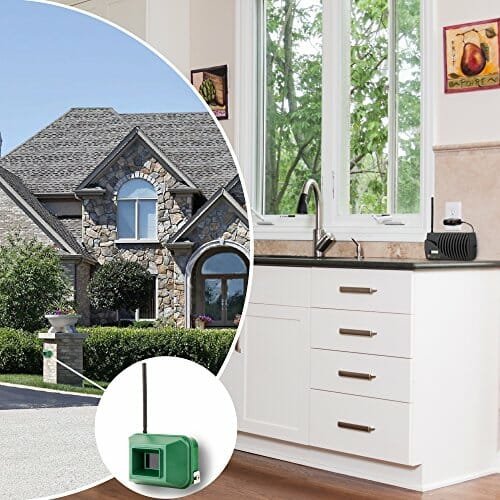
Smart home technology has become one of the most exciting developments in modern living.
What was once considered futuristic is now practical, affordable, and increasingly common in homes of all sizes.
People are no longer just buying smart gadgets for novelty. They are investing in tools that improve comfort, increase efficiency, strengthen security, and simplify daily routines.
From voice assistants and smart lighting to automated thermostats and security cameras, smart home devices are changing the way people live.
The appeal of a smart home lies in convenience, but the true value goes much deeper.
A well-designed smart home can save time, reduce energy bills, improve safety, and create a more personalized living experience.
Instead of manually adjusting lights, locks, or temperature settings throughout the day, homeowners can automate those actions so the home responds intelligently to daily life.
This is where little-known secrets, proven techniques, and next-level thinking come together to transform an ordinary space into an efficient and responsive environment.
One of the little-known secrets of smart home success is that it is not about buying the most expensive products.
Many people assume a great smart home requires a huge investment, but the reality is that a thoughtful plan matters far more than a big budget.
The smartest homeowners usually begin with a few simple devices that solve real problems.
Smart plugs, for example, are often overlooked, yet they can instantly automate lamps, coffee makers, fans, or seasonal decorations.
Smart bulbs are another affordable entry point, allowing users to control lighting from an app or voice command while creating schedules that support everyday routines.
Another little-known secret is that compatibility matters more than features.
Many smart home frustrations happen because people buy devices based on popularity or appearance rather than whether those devices work smoothly together.
Choosing a central ecosystem early is one of the best decisions a smart home user can make.
Platforms such as Amazon Alexa, Google Home, and Apple HomeKit each offer unique benefits, but the key is consistency.
When a home runs on a shared ecosystem, setup is easier, automations are smoother, and future expansion becomes much less stressful.
Proven techniques play a major role in making smart homes truly effective. One of the most useful techniques is building routines rather than relying on single actions.
A smart home becomes much more valuable when multiple devices work together automatically.
For example, a morning routine might gradually brighten the bedroom lights, start music, raise the thermostat, and switch on the coffee maker.
An evening routine might dim the lights, lock the doors, adjust the temperature, and turn off devices that are no longer needed.
These automations remove friction from daily life and turn convenience into consistency.
A second proven technique is using sensors to make the home respond naturally.
Motion sensors, door sensors, temperature sensors, and leak detectors often do more to improve daily living than flashy voice commands.
Motion sensors can activate hallway or bathroom lights at night without anyone touching a switch. Door sensors can trigger alerts or turn on lights when someone enters.
Leak detectors can send an early warning when water is detected under a sink or near a washing machine.
These devices quietly solve problems and create a smarter environment without demanding constant attention.
Smart thermostats remain one of the most popular devices for a reason. They combine convenience, efficiency, and long-term savings in a way few other devices can match.
A smart thermostat allows users to control home temperatures remotely, create heating and cooling schedules, and reduce energy waste.
However, one of the proven techniques for getting the most out of this technology is to combine scheduling with occupancy awareness.
When a thermostat can detect whether people are home or away, it becomes much more effective than a fixed schedule alone.
This kind of intelligent adjustment helps improve both comfort and energy efficiency.
Security is another area where smart homes shine, and some of the best results come from simple yet strategic upgrades.
Video doorbells, smart locks, cameras, and window sensors all contribute to better awareness and control. One little-known secret is that smart security works best as a layered system.
A single camera may provide visibility, but combining it with a door sensor, mobile alerts, and automated lighting creates a stronger and more responsive setup.
When someone approaches the front door, lights can switch on, a camera can begin recording, and the homeowner can receive an instant notification.
That combination offers far more value than any single device alone.
One of the next-level ideas in smart home design is using automation to support mood and lifestyle rather than just convenience. Lighting is a good example.
Smart bulbs can do more than turn on and off remotely.
They can gradually brighten in the morning to create a gentler wake-up experience, shift to cooler tones during work hours to improve focus, and warm up in the evening to support relaxation.
This type of lighting automation creates an environment that feels more human-centered and intentional. It shows that smart homes are not only about technology.
They are also about improving how a space feels.
Another next-level strategy is whole-home scene creation. Instead of controlling each room separately, homeowners can create scenes for specific moments or needs.
A movie scene might dim the living room lights, lower the blinds, and adjust the TV backlighting.
A vacation scene could randomize lights, monitor entrances, and lower energy usage while the home is empty.
A work-from-home scene might brighten office lights, silence unnecessary notifications, and set the ideal temperature for concentration.
These scenes make technology feel cohesive and thoughtful rather than scattered and disconnected.
One of the least discussed yet most important aspects of a successful smart home is network performance. A smart home is only as reliable as the connection supporting it.
If the Wi-Fi signal is weak or inconsistent, devices may disconnect, commands may lag, and automations may fail.
That is why one of the next-level smart home moves is investing in a strong router or mesh Wi-Fi system.
Many people spend heavily on smart gadgets while overlooking the network that powers them. In reality, reliable connectivity is the foundation of every successful smart home experience.
Another little-known secret is that not every smart upgrade needs to be visible. Some of the most useful devices are those that work quietly in the background.
Smart water leak sensors, air quality monitors, and energy-monitoring plugs may not be exciting to show off, but they deliver serious practical value.
Leak sensors can help prevent costly damage. Air monitors can alert homeowners to changes in indoor conditions that affect comfort and health.
Energy-monitoring plugs can reveal which appliances use more power than expected.
These tools provide helpful data and early warnings that can save money and improve quality of life over time.
Smart homes are also creating new possibilities for accessibility and independent living.
Voice control can help people manage lights, locks, and appliances without needing to move around the house constantly.
Automated routines can simplify tasks for older adults or those with limited mobility.
Smart displays can offer reminders, provide video calling, and make daily schedules easier to manage.
These applications reveal another secret of smart home technology: its most meaningful impact often comes from how it supports real human needs, not just how impressive it looks.
As more devices enter the market, future-proofing becomes increasingly important. One proven technique is choosing products that support broader compatibility standards.
This helps reduce the risk of building a system that becomes outdated or difficult to expand.
A smart home should be flexible enough to grow with new needs, new technology, and changing routines.
Homeowners who think ahead in this way often end up with systems that remain useful and adaptable for years.
The best smart homes are not overloaded with gadgets. They are built with purpose.
Every device should contribute something meaningful, whether that means saving time, cutting energy costs, increasing safety, or improving comfort.
The goal is not to automate everything just because it is possible. The goal is to automate the right things in the right way.
That is what separates a cluttered collection of devices from a smart home that feels seamless and valuable.
As the technology continues to improve, smart homes are becoming easier to set up, more reliable to use, and more beneficial in everyday life.
With a few little-known secrets, several proven techniques, and some next-level thinking, anyone can create a connected living space that feels modern without being complicated.
The future of the home is not just about devices responding to commands.
It is about homes that quietly understand routines, solve problems, and make daily life better in small but meaningful ways.