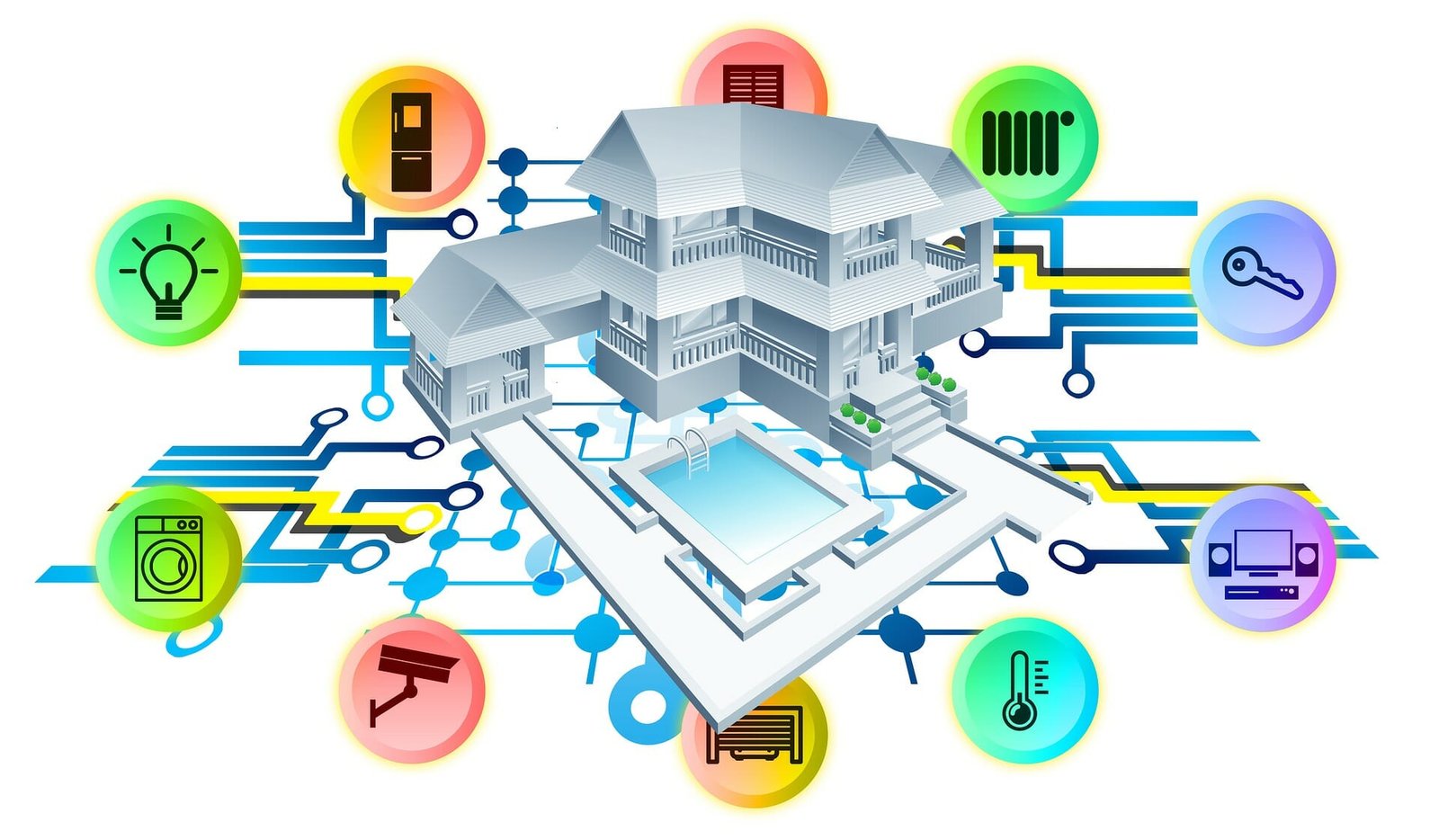
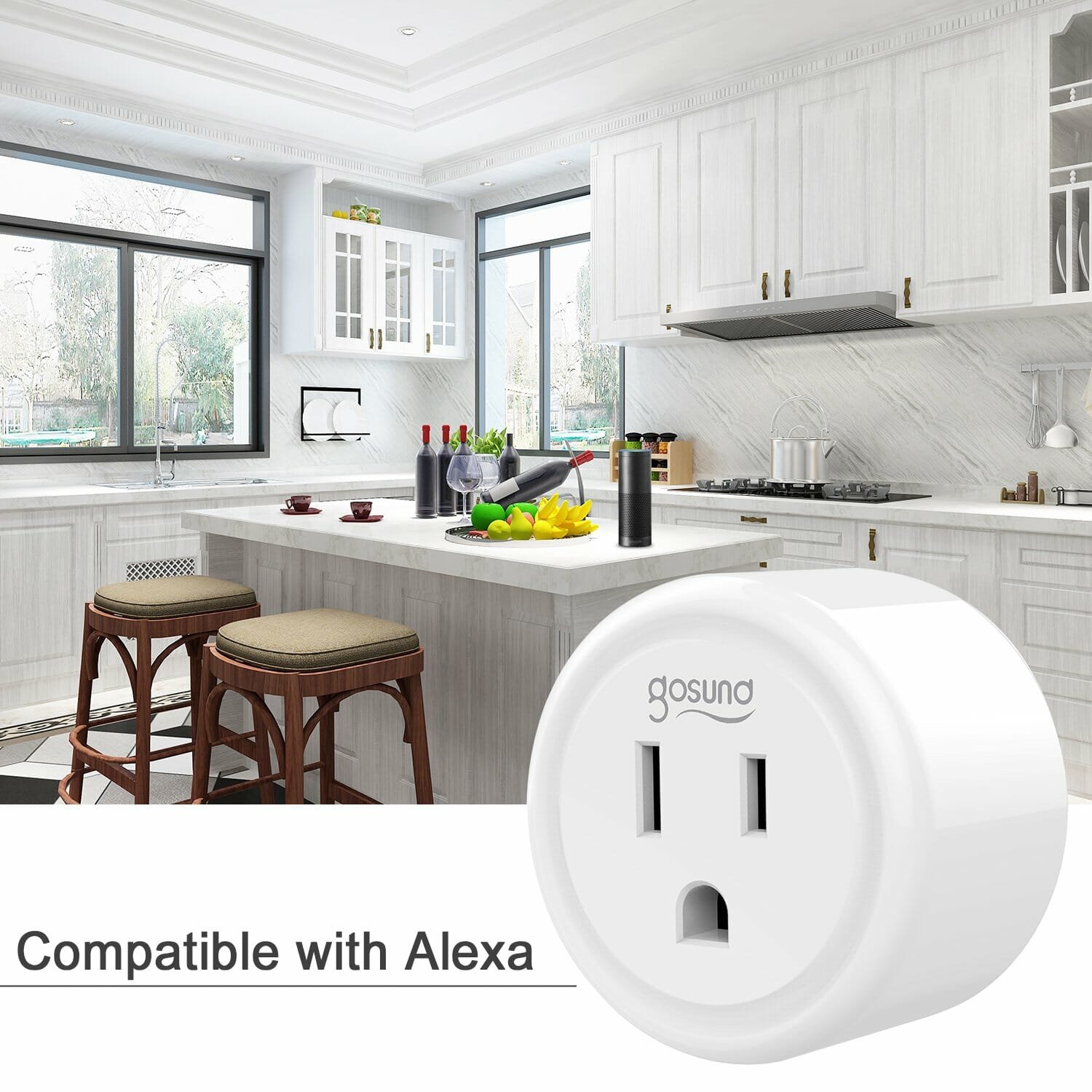
Smart home technology has moved far beyond simple convenience. What once seemed like a novelty is now transforming how people live, secure their homes, manage energy, and organize daily routines.
From voice assistants and smart thermostats to automated lighting and intelligent security systems, the connected home is becoming a practical solution for modern living.
The real value of a smart home is not just in owning the latest devices, but in building an environment that responds intelligently to everyday needs.
As more homeowners and renters adopt connected technology, the conversation is shifting from individual gadgets to complete ecosystems.
A smart home works best when devices communicate with each other and create seamless experiences.
Turning off lights with a phone is useful, but having lights, locks, climate settings, and appliances work together automatically is what makes a connected home feel truly intelligent.
This shift is why smart homes are increasingly seen as an investment in lifestyle, efficiency, and peace of mind.
Expert insights show that one of the biggest reasons smart home setups fail is not the technology itself, but poor planning.
Many people begin by purchasing whichever device is popular without thinking about compatibility, routines, or long-term goals.
Industry experts consistently point to ecosystem choice as one of the most important first steps.
Whether someone chooses Amazon Alexa, Google Home, Apple HomeKit, or another platform, that decision can shape every purchase that follows.
A strong ecosystem creates a smoother experience and reduces the frustration of incompatible products.
Another expert insight is that the most effective smart homes are built around daily habits rather than technical features.
People often focus on what a device can do instead of asking whether it solves a recurring problem.
A smart speaker may seem exciting at first, but its real power comes when it becomes part of routines like morning briefings, bedtime automation, or hands-free reminders while cooking.
In the same way, a smart thermostat is not just impressive because it can be controlled from an app.
Its real value lies in its ability to reduce waste, increase comfort, and adapt to household behavior over time.
Game-changing ideas in the smart home world are centered around automation. The biggest leap forward is not remote control, but homes that make decisions without constant user input.
Automation allows devices to respond to triggers such as motion, time of day, location, or even environmental conditions.
For example, a smart home can lower blinds during the hottest part of the day to reduce cooling costs, turn on pathway lights when motion is detected at night, or automatically lock the front door when everyone leaves the house.
These actions create an environment that feels proactive rather than reactive.
Another game-changing idea is the rise of context-aware living. Smart homes are increasingly able to interpret what is happening in a space and adjust accordingly.
Instead of requiring a user to issue commands, systems can recognize patterns and anticipate needs.
A home office may automatically brighten lights and reduce distractions during work hours.
A bedroom may gradually dim the lights and lower the temperature in the evening to support better sleep. These are not just fun features.
They represent a shift toward homes that actively support health, productivity, and well-being.
Behind the scenes, one of the most important parts of a smart home is something many users never think about: the network.
A connected home depends heavily on a reliable internet connection and a strong internal network. Every camera, speaker, bulb, sensor, and appliance relies on that foundation.
Poor Wi-Fi coverage can cause delays, failed automations, and frustrating disconnects that make even the best devices feel unreliable.
This is why mesh Wi-Fi systems and modern routers are becoming essential pieces of the smart home puzzle.
They do not get the same attention as sleek gadgets, but they often determine whether the overall experience is smooth or stressful.
Behind the scenes, integration hubs and software platforms also play a major role.
While some devices connect directly to an app or voice assistant, others rely on central hubs or bridges to communicate with one another.
These hubs allow more advanced automation and improve coordination across brands and device types.
They are often the hidden engine powering a more sophisticated setup. For users who want simple control, a standard app-based system may be enough.
For those aiming to build a smart home that responds intelligently to multiple conditions, hubs and automation platforms can unlock a much higher level of functionality.
Smart home security is one of the most rapidly growing categories, and for good reason.
Video doorbells, smart locks, indoor cameras, and motion sensors offer homeowners new levels of visibility and control.
However, expert insights suggest that the real advantage of smart security lies in layered protection.
A smart lock on its own is useful, but its value increases when it works with cameras, door sensors, and mobile alerts.
A connected system can notify homeowners when a door is unlocked unexpectedly, show who is at the entrance, and trigger lights or alarms if unusual motion is detected.
This creates a stronger sense of awareness and faster response when something seems wrong.
Energy efficiency is another area where smart homes are having a major impact.
Smart thermostats, automated blinds, energy-monitoring plugs, and occupancy sensors can all help reduce unnecessary energy use.
These tools provide both convenience and cost savings, making them especially appealing during times of rising utility costs.
Expert insights indicate that automation is often more effective than manual effort when it comes to energy management.
People may forget to turn things off or adjust settings, but automated systems can respond consistently and precisely. Over time, even small adjustments can add up to meaningful savings.
Entertainment is also being reshaped by smart home technology.
Voice-controlled music, synchronized speakers, automated home theater lighting, and streaming integration make entertainment more immersive and accessible.
A single voice command can start a movie, dim the lights, and adjust the sound system. While this may seem like a luxury feature, it reflects a broader trend in smart homes: reducing friction.
The goal is not simply to add technology, but to remove unnecessary steps from everyday experiences. The easier a system feels to use, the more valuable it becomes.
One of the most exciting developments in smart homes is how they are becoming more inclusive.
For older adults, people with disabilities, or anyone with limited mobility, smart devices can provide meaningful support.
Voice control can make everyday tasks easier. Automated lighting can improve nighttime safety. Smart doorbells and cameras can reduce the need to physically check entrances.
Reminder systems can help with routines, medication, or appointments. These features show that smart homes are not only about luxury and modern design.
They can also improve accessibility and support independent living.
Privacy remains an important part of the discussion. Behind the scenes, many smart devices collect data about usage, routines, and preferences in order to function effectively.
This makes security settings, password protection, and device permissions especially important.
Experts often recommend choosing reputable brands, enabling two-factor authentication, updating firmware regularly, and reviewing privacy settings during setup.
A smart home should feel empowering, and that includes feeling confident that personal data is being handled responsibly.
The future of smart homes is likely to be defined by even deeper integration and better interoperability.
One of the barriers in earlier generations of smart devices was the difficulty of getting products from different brands to work together.
Newer standards and broader compatibility are beginning to solve that problem.
This means users can have more flexibility in building their ideal setup without being locked into a single brand.
As compatibility improves, smart homes will become easier to build, easier to expand, and more appealing to everyday consumers.
The real transformation of smart home living is not about flashy devices or futuristic ideas. It is about creating spaces that are more responsive, efficient, secure, and personalized.
Expert insights reveal that the most successful setups are those designed around real routines and practical needs.
Game-changing ideas show how automation can turn disconnected gadgets into a cohesive system.
Behind-the-scenes technology provides the invisible structure that makes everything work together.
Smart homes are no longer just a symbol of innovation. They are becoming a natural extension of modern life.
As technology continues to improve and more people discover the everyday benefits of connected living, the smart home will keep evolving from a collection of gadgets into something much more meaningful: a home that understands, supports, and adapts to the people living in it.