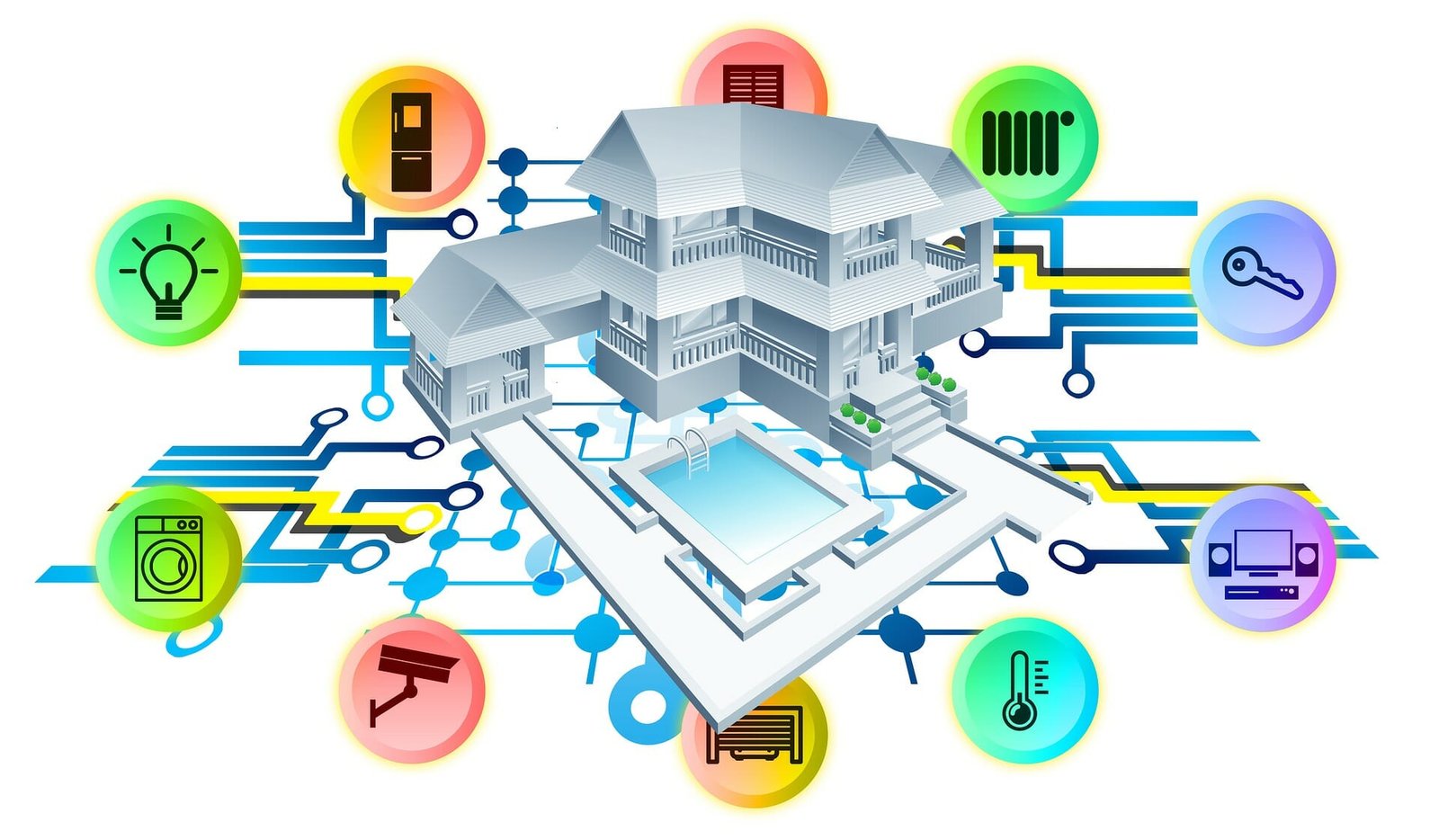
Smart homes are no longer a futuristic luxury reserved for tech enthusiasts.
They have become an accessible, practical way for everyday homeowners and renters to improve comfort, security, efficiency, and convenience.
From voice-controlled lighting to automated thermostats and smart security systems, connected devices are changing how people interact with their living spaces.
The real appeal of a smart home is not just in owning the latest gadgets, but in building a system that works together seamlessly and solves real-life problems.
For many people, the idea of creating a smart home can feel overwhelming at first.
The market is packed with products, platforms, and promises, and not every device works well with every other system.
That is why taking a strategic approach matters.
Instead of buying random gadgets and hoping they connect, successful smart homeowners focus on compatibility, purpose, and ease of use.
A well-planned smart home should make life simpler, not more complicated.
One of the best insider tips for building a smart home on a realistic budget is to start with a central ecosystem.
Before buying anything, choose the platform you want your devices to revolve around. Popular options include Amazon Alexa, Google Home, and Apple HomeKit.
Each has strengths, but the most important factor is choosing one that matches your lifestyle and the devices you already use.
This simple step prevents the frustration of ending up with products that cannot communicate properly.
Smart home beginners often make the mistake of buying based on flashy features rather than long-term compatibility.
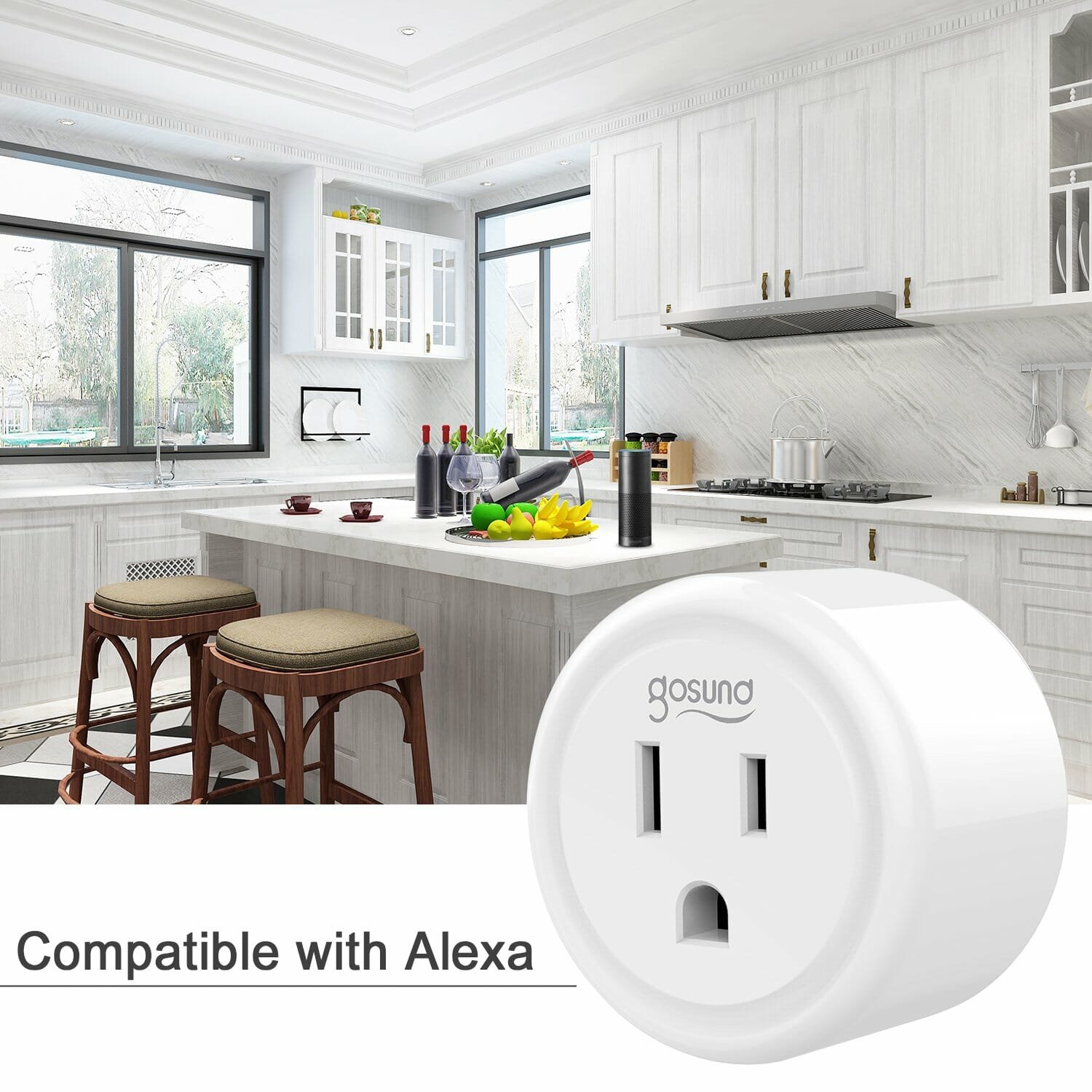
Another insider tip is to begin with devices that solve immediate, everyday needs. Smart plugs are one of the easiest and most affordable ways to enter the smart home world.
They can turn ordinary lamps, coffee makers, or fans into automated devices that can be scheduled or controlled remotely.
Smart bulbs are another excellent entry point, offering dimming, color changes, and voice control without requiring a full electrical overhaul.
These small upgrades provide a quick taste of automation while helping users understand how routines and voice assistants work in daily life.
Hidden gems in the smart home space are often the devices that do not get as much attention as cameras or speakers but deliver huge benefits over time.
Smart sensors are a perfect example. Door and window sensors can do much more than enhance security.
They can trigger lights to turn on when someone enters a room, pause heating or cooling when a window is open, or send alerts when a medicine cabinet or storage area is accessed.
Motion sensors are equally powerful and can help automate hallways, bathrooms, and closets without users needing to touch a switch.
Another hidden gem is the smart water leak detector.
While not as flashy as a video doorbell, it can save homeowners thousands of dollars by alerting them to leaks under sinks, near washing machines, or around water heaters before major damage occurs.
This is one of the most practical smart home investments because it protects property in a way that is both quiet and highly effective.
Devices like these show that smart home technology is not just about convenience. It is also about prevention and peace of mind.
Smart thermostats remain one of the most valuable devices for people who want efficiency and comfort.
They learn your habits, reduce energy waste, and allow remote control of your heating and cooling.
However, one of the advanced strategies for getting the most from a smart thermostat is to integrate it with occupancy data rather than relying only on manual schedules.
When combined with sensors or smartphone location settings, a thermostat can adjust based on whether someone is actually home.
This makes the system more responsive and can lead to better energy savings than fixed schedules alone.
Advanced strategies also come into play when designing smart home routines. A routine is a sequence of actions triggered by a specific event, voice command, or schedule.
Instead of controlling devices one by one, you can create automations that handle multiple tasks at once.
For example, a “good morning” routine might slowly brighten bedroom lights, start the coffee maker, raise the thermostat, and read out the weather forecast.
A “good night” routine could lock doors, turn off lights, lower the temperature, and arm the security system.
These coordinated actions are what elevate a home from having smart devices to actually being a smart home.
One advanced strategy that many people overlook is using layers of automation.
Rather than depending only on voice commands, smart homeowners combine schedules, motion triggers, and manual controls to create a more natural experience.
For instance, outdoor lights can be set to turn on at sunset, but also brighten further when motion is detected.
Indoor lights can be programmed to dim automatically in the evening while still remaining manually adjustable.
This layered approach creates flexibility and reliability, especially when internet service is unstable or voice assistants mishear commands.
Network planning is another area where advanced strategy matters. As a smart home grows, Wi-Fi performance becomes increasingly important.
A home filled with connected bulbs, cameras, speakers, plugs, and appliances can strain a weak router.
One of the smartest decisions is to invest in a reliable mesh Wi-Fi system or a strong modern router that can handle multiple connected devices.
Placing hubs and routers thoughtfully improves device responsiveness and reduces frustrating lag.
A stable network is one of the least glamorous parts of a smart home, but it is essential for smooth performance.
Security should always be part of the smart home conversation, especially as more devices collect data and connect to cloud services.
One insider tip is to create separate passwords for your smart home accounts and enable two-factor authentication wherever possible.
Another good practice is to place smart devices on a separate guest network if your router supports it.
These steps help reduce the risk of unauthorized access and make your setup more secure without requiring advanced technical knowledge. A smart home should feel safe, not vulnerable.
Voice assistants often serve as the main control center for many setups, but they work best when paired with thoughtful device naming and room grouping.
A simple but effective insider tip is to name devices clearly and naturally. Instead of calling a light “Device One,” use names like “kitchen lamp” or “hallway light.”
Grouping devices by room also makes commands easier and more intuitive.
This creates a smoother experience and reduces the small annoyances that can make voice control feel clunky instead of helpful.
Budget-conscious smart home building is all about pacing. You do not need to automate everything at once. In fact, one of the best strategies is to expand in phases.
Start with lighting and plugs, then move to security, climate control, and entertainment.
Over time, you will gain a clearer understanding of what actually improves your life and what is simply nice to have.
This gradual approach also makes it easier to watch for sales, compare brands, and avoid costly impulse purchases.
Another hidden gem in the smart home world is interoperability standards like Matter, which are helping more devices work across different ecosystems.
While consumers used to face major compatibility headaches, newer standards are beginning to make setup and integration easier.
This is especially helpful for households that use a mix of device brands or have family members who prefer different platforms.
As smart home technology continues to evolve, choosing devices that support broader compatibility can make your setup more future-ready.
Smart home technology is also becoming more useful for health and accessibility.
Voice-controlled devices can help people with limited mobility manage lights, locks, or appliances more easily.
Smart displays can provide reminders, video calling, and visual instructions. Automated lighting can improve nighttime safety, especially for older adults.
These practical benefits show that smart homes are not just trendy. They can genuinely support independent living and improve daily quality of life.
The most successful smart homes are not the ones packed with the highest number of gadgets. They are the ones designed with intention.
Every device should serve a purpose, whether that purpose is saving time, increasing safety, cutting energy costs, or making routines more comfortable.
The real magic of a smart home lies in the small moments: lights turning on exactly when needed, a door locking automatically when you leave, a thermostat adjusting before you arrive home, or an alert warning you about a leak before it becomes a disaster.
As smart home technology becomes more mainstream, homeowners have more opportunities than ever to create connected spaces that are both practical and affordable.
With the right ecosystem, a few hidden gems, and advanced strategies for automation and integration, even a modest setup can feel surprisingly powerful.
The smartest move is not to chase every new device, but to build a system that fits your habits, supports your needs, and grows with you over time.