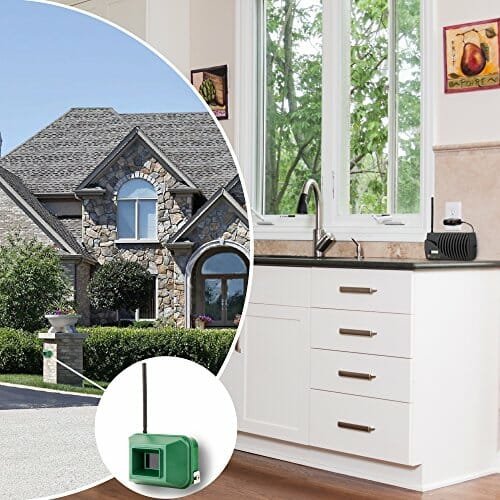
Smart home technology has become one of the most practical and exciting shifts in modern living.
What once felt futuristic is now part of everyday life for millions of people who want greater convenience, better security, improved energy efficiency, and more control over their homes.
From smart speakers and lighting to connected thermostats and security systems, the appeal of a smart home is easy to understand.
But building a truly effective smart home takes more than buying popular devices.
It requires thoughtful planning, non-obvious techniques, and a clear understanding of how new discoveries are reshaping home automation.
Exclusive insights from the smart home space reveal that the most successful setups are not necessarily the most expensive or the most complex.
In fact, many homeowners get better results by focusing on usefulness rather than volume.
A connected home works best when every device serves a clear purpose and contributes to a broader system.
That may mean improving comfort, reducing wasted energy, increasing safety, or simply making routines easier to manage.
The goal is not to fill a house with gadgets. The goal is to create a home that responds intelligently to daily life.
Start with Habits
One of the most important non-obvious techniques in smart home design is starting with habits instead of hardware.
Many people begin by shopping for the newest devices, but better results often come from studying what happens in the home each day.
Which lights are always left on. Which doors are most often checked twice. Which rooms feel too hot or too dark. Which repetitive tasks create frustration.
When smart home planning begins with these questions, the technology becomes more useful and far less random.
This habit-first approach is one of the clearest differences between a home with connected devices and a home that feels truly smart.
Choose the Ecosystem First
Another non-obvious technique is choosing the ecosystem before buying multiple products. Devices may look similar on the surface, but compatibility can shape the entire experience.
A strong ecosystem helps voice control feel natural, automations run smoothly, and future upgrades stay manageable.
Whether a person chooses Amazon Alexa, Google Home, Apple Home, or another platform, consistency matters.
Exclusive insights from experienced users often point to the same lesson: a smart home built around a clear foundation usually performs better than one assembled from disconnected pieces.
Breakthrough discoveries in smart home technology are also changing what is possible. One of the biggest developments is the move toward better interoperability.
In the past, homeowners often struggled with devices from different brands that would not communicate properly. That made setup frustrating and expansion more difficult.
New standards are helping solve this problem by improving cross-brand compatibility.
This matters because it gives users more freedom to choose products based on quality and function rather than being trapped in one brand’s ecosystem.
It also makes the smart home more future-ready, which is essential in a market that evolves quickly.
Lighting remains one of the easiest and most effective places to start, but there is much more to it than voice-controlled bulbs.
Exclusive insights show that smart lighting works best when it becomes part of a broader lifestyle strategy.
Instead of simply turning lights on and off remotely, users can create systems that support energy savings, comfort, and mood.
Lights can brighten gradually in the morning, shift to cooler tones during work hours, and become warmer in the evening.
Motion-triggered hallway lighting can make nighttime movement safer. Outdoor lighting can respond to sunset and motion for both convenience and security.
These features show how even a basic category like lighting becomes far more powerful when paired with thoughtful automation.
Climate control is another category where smart home technology provides major real-world value.
Smart thermostats are widely known, but the real benefits go far beyond remote temperature control.
They can create schedules, adapt to routines, reduce energy waste, and in some cases respond to occupancy or location.
One of the most useful non-obvious techniques here is combining climate control with other devices. Smart blinds can close during the hottest part of the day to reduce cooling costs.
Room sensors can help balance uneven temperatures. Ceiling fans can be automated based on room use.
These layered systems create a more efficient and comfortable home than any single device can provide on its own.
Security is often one of the main reasons people invest in smart home technology, and this area continues to see breakthrough discoveries.
Video doorbells, smart locks, cameras, and sensors are becoming more intelligent, more responsive, and easier to manage.
But one exclusive insight many experienced users learn quickly is that smart security works best in layers.
A doorbell camera on its own provides visibility, but when paired with motion-triggered lighting, entry sensors, and instant mobile alerts, it becomes part of a more effective system.
Smart locks add another level of control by allowing temporary codes, remote access, and entry tracking.
Together, these tools create awareness and flexibility that traditional home security setups often lack.
Another non-obvious technique that dramatically improves a smart home is using scenes and routines instead of one-off commands.
Many people begin with simple voice requests such as turning on a light or adjusting a thermostat. That is useful, but it only scratches the surface.
The real power of automation appears when multiple devices respond to a single trigger.
A good morning routine might turn on lights, warm the home slightly, begin a playlist, and start the coffee maker.
An away routine could switch off unused lights, lower the thermostat, lock the doors, and activate cameras.
A bedtime routine might dim lights, secure the house, and reduce noise or temperature for sleep. These combinations save time, reduce mental effort, and make the home feel more intuitive.
Sensor Technology
Breakthrough discoveries in sensor technology are also helping homes become more responsive in quiet but meaningful ways.
Smart leak detectors, occupancy sensors, air quality monitors, and contact sensors often deliver more long-term value than trendier devices.
A leak detector placed under a sink or near a water heater can help prevent major damage.
Occupancy sensors can automate lighting and improve energy use without requiring voice commands or phone apps.
Air quality monitors can alert users to ventilation issues that affect comfort and health. Contact sensors can trigger routines when doors, windows, cabinets, or even mailboxes are opened.
These devices may not be flashy, but they often create the most practical improvements.
Entertainment is another part of the smart home that has become smoother and more immersive.
Smart speakers, displays, connected TVs, and synchronized audio systems reduce friction and improve convenience.
A simple routine can dim the living room lights, switch on the TV, and start a streaming device all at once.
But one exclusive insight here is that entertainment automation should remain simple. The best systems are the ones people actually use every day.
If a setup feels confusing or requires too many corrections, it loses its value. In smart homes, elegance often comes from making things feel effortless rather than impressive.
One of the most overlooked non-obvious techniques is organizing the system in a way that feels natural. Device names should be clear.
Rooms should be grouped logically. Voice commands should reflect how people actually speak. These details seem small, but they affect the experience every day.
A well-organized smart home feels smooth because the control system matches real human behavior.
This is one of those invisible differences that separates a frustrating setup from a satisfying one.
Another major insight is that network quality can determine the success of the entire smart home. Many users focus heavily on devices while ignoring the Wi-Fi system powering them.
In reality, weak coverage can cause dropped connections, slow responses, and failed automations. A strong router or mesh Wi-Fi system is often one of the smartest investments in a connected home.
It may not feel exciting, but it supports everything else. In many cases, a better network improves the smart home experience more than buying another gadget.
Smart homes are also becoming more valuable for accessibility and independent living. Voice controls can reduce physical effort.
Motion-based lighting can improve safety at night. Smart reminders and displays can help manage routines and communication.
These benefits are especially meaningful for older adults, people with mobility limitations, or families caring for others.
This is one of the most important breakthrough areas in smart home use because it shows that home automation is not just about convenience. It can also support dignity, safety, and quality of life.
The most effective smart homes are built gradually and intentionally.
Exclusive insights show that users often get the best results when they begin small, solve real problems, and expand based on what proves useful.
Non-obvious techniques such as habit-based planning, layered automation, strong organization, and better network design often matter more than flashy features.
Breakthrough discoveries in compatibility, sensors, and adaptive automation are making connected homes more flexible and more practical than ever before.
Smart home technology is moving beyond novelty and becoming a meaningful part of how people live.
It is helping homeowners save time, reduce waste, improve safety, and create more personalized environments.
The future of the smart home does not belong to houses with the most devices. It belongs to homes where the technology works quietly, intelligently, and naturally in the background.
When built with purpose, a smart home becomes more than a collection of gadgets. It becomes a living space that truly supports everyday life.