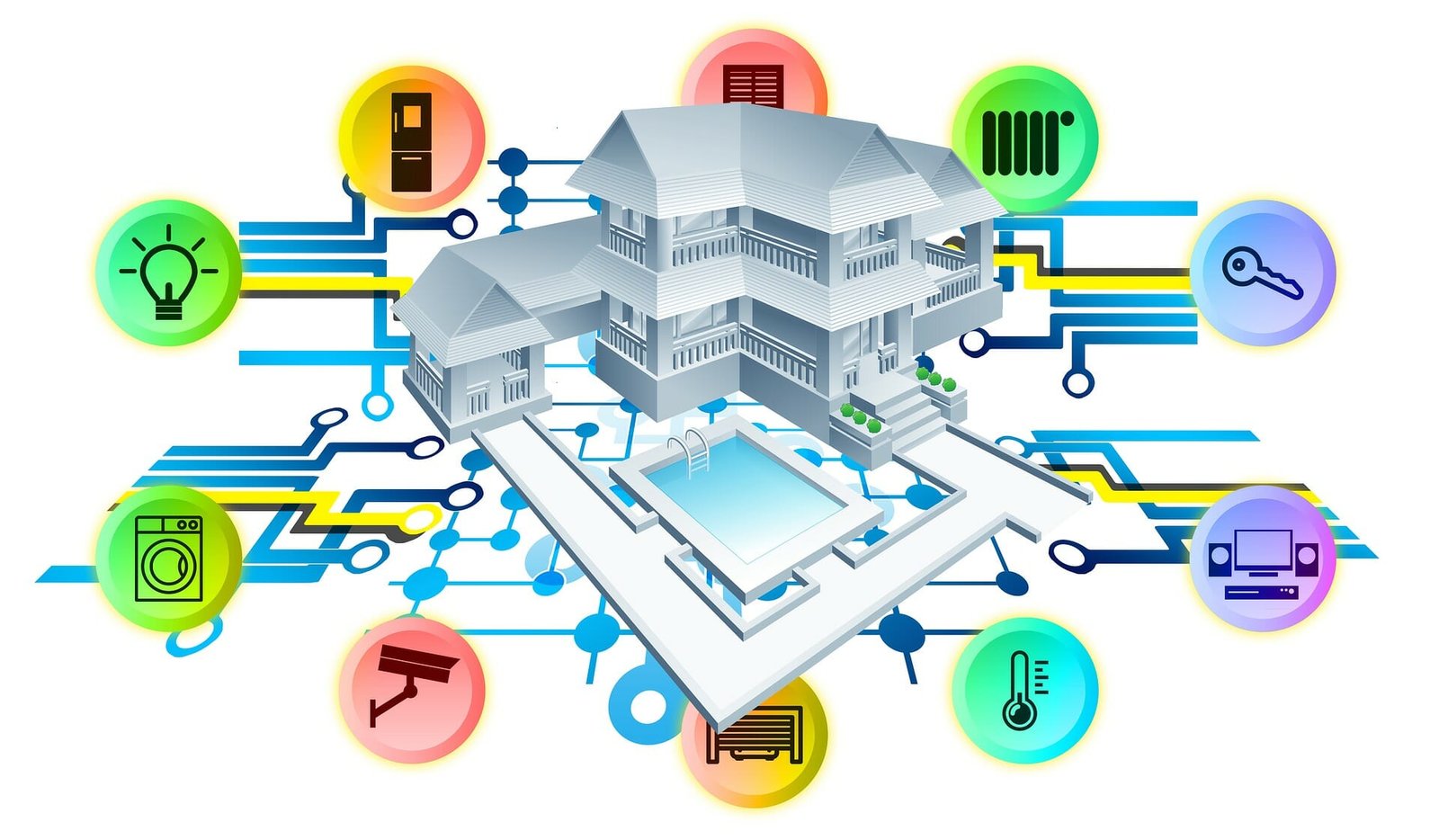
Smart home technology is moving faster than ever, and what was once considered a luxury is quickly becoming a normal part of everyday living.
From voice assistants and smart thermostats to connected security cameras and automated lighting, homeowners are embracing tools that make life more convenient, efficient, and secure.
But beyond the familiar devices that dominate headlines and advertisements, a deeper shift is taking place.
Underground trends, hidden patterns, and forward-thinking strategies are shaping the future of smart homes in ways many people have not yet fully noticed.
Ecosystem
The first major underground trend in smart homes is the move away from gadget collecting and toward ecosystem thinking.
In the early days of smart home adoption, many consumers bought devices one at a time without much planning.
A smart speaker here, a video doorbell there, maybe a few connected bulbs for fun. Today, the more advanced direction is integration.
People are beginning to care less about individual products and more about whether those products work together in a seamless and reliable way.
The future of smart homes is not about how many devices a person owns. It is about how intelligently those devices interact.
This shift reveals one of the hidden patterns in consumer behavior. Most people do not stay impressed by novelty for very long.
Being able to turn on a lamp with a phone is interesting at first, but that excitement fades quickly.
What keeps users engaged is functionality that solves real problems or removes friction from daily life.
That is why automations, routines, and device coordination are becoming more important than standalone features.
Consumers are increasingly drawn to systems that save time, reduce effort, and quietly improve everyday routines in the background.
Low Visibility
Another underground trend is the growing importance of low-visibility smart devices.
Products like smart speakers and cameras still attract the most attention, but many of the most valuable devices are now the ones people barely notice.
Leak detectors, contact sensors, occupancy sensors, air quality monitors, and energy-monitoring plugs are becoming essential parts of practical smart home setups.
These tools do not always look exciting, but they offer meaningful value by preventing damage, improving efficiency, and enabling more useful automation.
This trend reflects a maturing market in which homeowners are beginning to prioritize outcomes over appearances.
A hidden pattern driving device adoption is that the most successful smart home purchases often come from pain points, not curiosity.
People buy a video doorbell because they want more security. They buy a smart thermostat because their energy bills are too high.
They install smart lights because they are tired of manually checking switches every night. The strongest adoption often happens when a device answers a specific frustration.
This is important because it suggests the future of smart homes will be defined less by futuristic fantasy and more by highly practical problem-solving.
Foundation
Forward-thinking strategies for building a smart home start with choosing a clear foundation.
One of the smartest moves a homeowner can make is selecting a core ecosystem before investing heavily in devices.
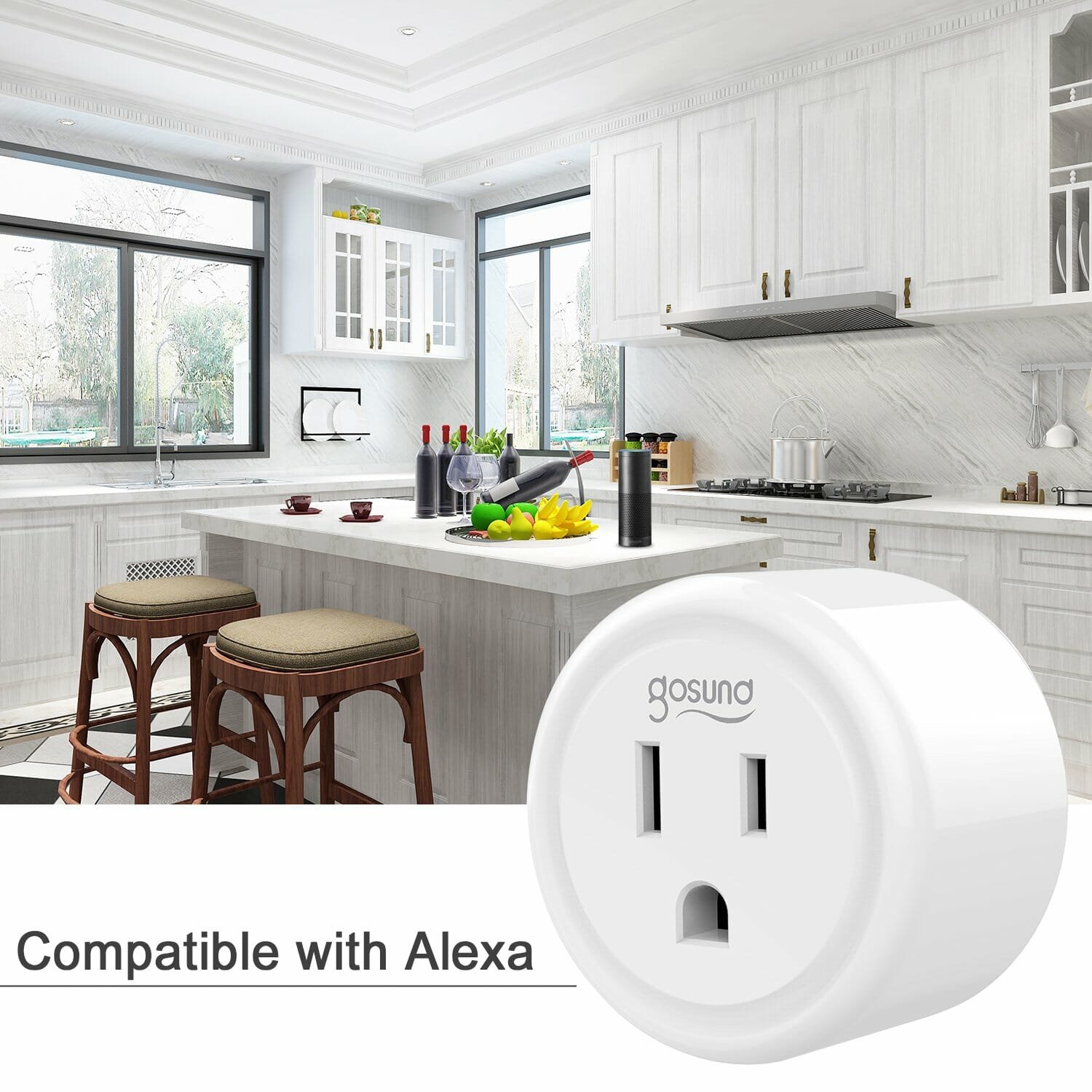
Whether that ecosystem is based on Amazon Alexa, Google Home, Apple Home, or another platform, consistency matters.
Devices that work well together create better automations, easier setup, and less frustration over time.
A scattered collection of incompatible products may still function individually, but it rarely delivers the smooth and connected experience people imagine when they think of a smart home.
Another important strategy is to automate moments, not just devices. Many beginners focus on what a single smart product can do.
More advanced users focus on what a combination of devices can do during a specific moment or routine.
A good morning sequence might turn on lights gradually, adjust the temperature, start a coffee maker, and deliver a weather update.
An away mode might lock doors, arm cameras, turn off unnecessary electronics, and reduce heating or cooling use.
These moment-based automations create a home that feels responsive and intentional rather than simply connected.
Wellness Focus
One of the most interesting underground trends is the rise of wellness-focused automation. Smart homes are no longer just about saving time or adding convenience.
They are increasingly being designed to support better sleep, lower stress, and improved daily comfort. Adaptive lighting that changes color temperature throughout the day is one example.
Temperature automations that create cooler sleeping conditions at night are another.
Some homeowners are using smart speakers for calming soundscapes, smart blinds to support natural wake-up routines, and air quality monitors to keep indoor spaces healthier.
This trend suggests that future smart homes will play a larger role in supporting overall well-being.
There is also a hidden pattern in how households expand their smart home systems. Most do not begin with a grand plan.
They start with one successful device, then add another once they see the benefits. This gradual growth means that smart home adoption is often trust-based.
When one product proves useful and easy to manage, users become more willing to add more connected tools. This pattern is important because it shows why ease of use matters so much.
Devices that are difficult to install or unreliable to maintain can stop a user from expanding further, while a smooth first experience can lead to long-term adoption.
Another forward-thinking strategy is to treat the home network as part of the smart home itself. Too many people invest in devices without improving the Wi-Fi system that supports them.
As more bulbs, locks, cameras, sensors, and appliances connect to the network, stability becomes essential. A weak connection can make an entire smart home feel frustrating and unreliable.
One of the smartest long-term strategies is investing in strong wireless coverage through a modern router or mesh Wi-Fi system.
It may not be the most glamorous purchase, but it often has the biggest impact on overall performance.
Privacy is becoming another major underground trend, especially as consumers become more aware of how connected devices collect and use data.
In the past, many buyers focused almost entirely on convenience. Now there is a growing demand for products that balance convenience with transparency and control.
People want to know what data is being stored, who can access it, and how secure their systems really are.
This shift is pushing the market toward better privacy settings, stronger encryption, and more thoughtful security features.
Forward-thinking homeowners are responding by choosing trusted brands, enabling two-factor authentication, and reviewing permissions more carefully during setup.
One of the strongest hidden patterns in smart home design is that simpler often wins.
While advanced automation can be powerful, the most successful systems are usually the ones that remain intuitive.
A home that requires constant troubleshooting or confusing voice commands will quickly lose its appeal.
On the other hand, a home where lights respond naturally, temperatures adjust automatically, and routines happen quietly in the background feels genuinely helpful.
The best smart homes are not necessarily the most complex. They are the ones that feel the most natural to live in.
Interoperability
Another underground trend is the growing role of interoperability. Earlier generations of smart devices often trapped users inside one brand or platform.
That made expansion difficult and limited consumer choice. New compatibility standards are beginning to change that, allowing devices from different companies to work together more smoothly.
This trend matters because it gives homeowners more flexibility to choose products based on quality and need rather than ecosystem lock-in.
It also makes smart homes more future-ready, which is important in a market that changes quickly.
Forward-thinking homeowners are also beginning to view smart homes as long-term lifestyle infrastructure rather than short-term entertainment upgrades.
That means thinking about energy savings, home security, aging in place, accessibility, and household resilience.
Smart devices can help older adults remain independent longer, make homes safer for children, and reduce waste through better control of lighting and climate systems.
When viewed this way, smart home technology stops being a novelty and starts becoming part of how people plan for the future.
The next phase of smart home growth will likely belong to systems that are more predictive, more personalized, and less intrusive.
Homes will continue learning from routines, responding to context, and offering support without demanding attention.
Consumers will keep favoring solutions that feel reliable, practical, and integrated into real life.
Underground trends point toward smarter use of sensors, stronger privacy expectations, better compatibility, and more focus on health and comfort.
Hidden patterns show that users care most about ease, usefulness, and trust.
Forward-thinking strategies reveal that the smartest homes are built intentionally, with a clear purpose behind every device and automation.
Smart home technology is no longer just about staying current with the latest gadgets. It is about building a living environment that works more thoughtfully for the people inside it.
As the market continues to evolve, the biggest winners will not be the homes with the most devices.
They will be the homes that use connected technology in the most meaningful, practical, and human-centered ways.