Smart home technology has moved from novelty to necessity for many modern households.
What once seemed like a futuristic upgrade is now a practical way to improve comfort, convenience, efficiency, and security.
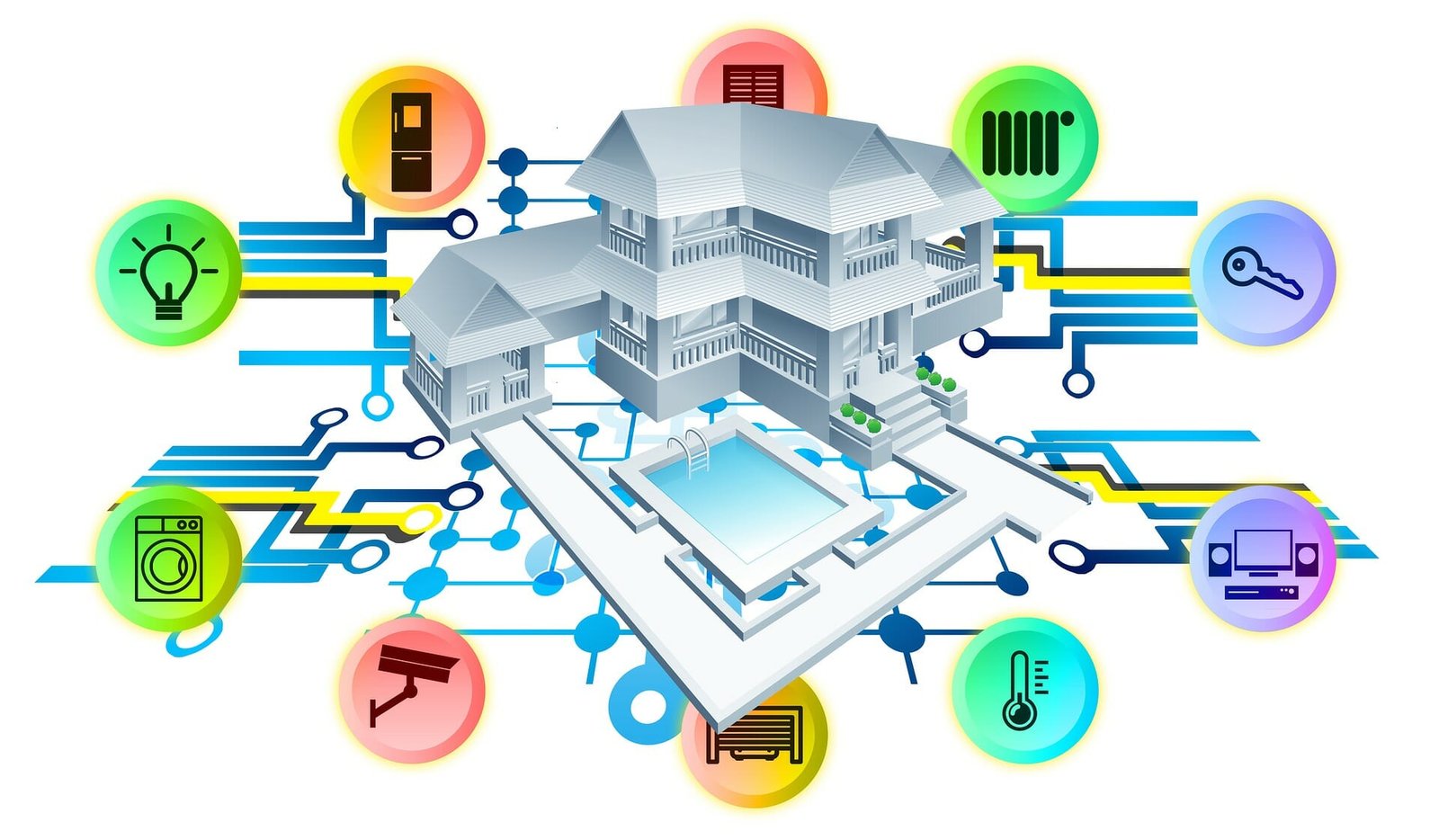
From voice assistants and connected lighting to smart thermostats and automated locks, the smart home has become a flexible system that can adapt to different lifestyles and needs.
Yet the most interesting conversations about smart homes are no longer just about the most popular gadgets.
They are increasingly about unusual perspectives, hidden variables, and revolutionary concepts that reveal where connected living is really headed.
Most people think about smart homes in straightforward terms. They imagine controlling lights with their phone, asking a voice assistant to play music, or checking a camera feed while away from home.
These are useful features, but they only show one side of what a smart home can be.
An unusual perspective is to view the smart home not as a collection of devices, but as a living system that responds to human behavior.
In that sense, the goal is not simply to add technology to a house. The goal is to make the home feel more aware, more supportive, and more intuitive in everyday life.
Looking at smart homes from this perspective changes how people make decisions.
Instead of asking which gadget is newest or most advanced, the better question becomes how the home can reduce stress, save time, and improve routines.
A smart home should not feel like extra work. It should remove small points of friction that build up during the day.
That might mean lights that turn on automatically when someone enters a room, a thermostat that adjusts before anyone notices discomfort, or a lock that secures itself after everyone leaves.
These small actions create a home that feels less mechanical and more responsive.
One unusual perspective is to think of the smart home as an invisible assistant rather than a visible showcase of technology.
Many people are first drawn to the most obvious devices such as smart speakers, video doorbells, and light bulbs.
But some of the most valuable parts of a connected home are the ones that work quietly in the background.
Leak sensors, motion detectors, contact sensors, air quality monitors, and occupancy-based automations may not be exciting to show off, but they often provide the most meaningful benefits.
They prevent problems, improve comfort, and create smoother routines without demanding constant attention.
This leads to one of the hidden variables that affects smart home performance more than most people realize: behavior. A device is only truly smart if it fits naturally into the habits of the people using it.
A family with children may need automations focused on safety and routine. A remote worker may care more about comfort, lighting, and focus during the day.
An older adult may benefit most from voice control, reminders, and simplified access to doors or appliances.
The success of a smart home depends not just on technology, but on how well that technology matches real patterns of living.
Another hidden variable is the home itself. Layout, wall materials, room usage, lighting conditions, internet coverage, and even climate can all affect how well smart devices perform.
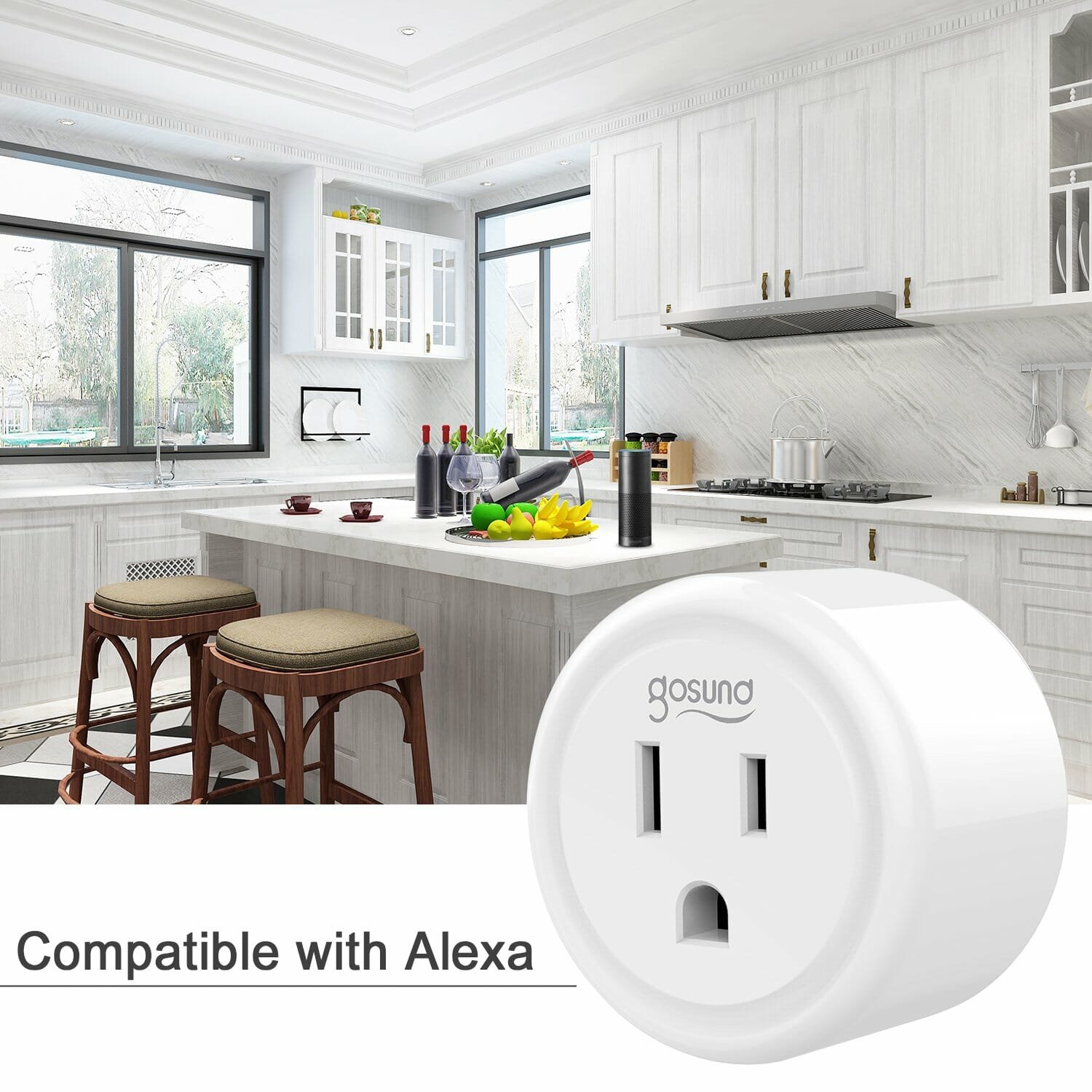
A large home with thick walls may need a stronger Wi-Fi or mesh system. A small apartment may benefit more from portable devices like plugs and bulbs rather than permanent installations.
A house with uneven temperatures may gain more from room sensors and smart climate zoning than from a single central thermostat.
These details are often overlooked, but they shape the smart home experience in major ways.
The network is another hidden variable that often determines whether a smart home feels seamless or frustrating. Many users focus on devices while ignoring the system powering them.
Weak Wi-Fi, outdated routers, and poor signal coverage can cause lag, disconnections, and failed automations. Even the best devices will feel unreliable if the network behind them is unstable.
That is why one of the smartest smart home investments is often not a gadget at all, but a reliable router or mesh Wi-Fi setup.
Without strong connectivity, the entire system can feel far less intelligent than it should.
Privacy is another hidden variable that plays a critical role in the future of smart homes.
Connected devices collect and process a surprising amount of information, from schedules and routines to location data and voice commands.
Some users embrace convenience without thinking much about this, while others become wary of adding more connected products to their home.
As smart home adoption grows, privacy will become an even bigger factor in which devices succeed and which ones lose trust.
The future of connected living will not be shaped only by innovation, but also by how well companies protect data and communicate clearly with users.
Revolutionary concepts in smart home technology are beginning to push the idea of automation much further than simple scheduling and voice commands.
One of the biggest changes is the move toward context-aware systems.
Instead of waiting for people to issue commands, future smart homes will increasingly respond to environmental signals, behavioral patterns, and subtle household changes.
Lighting may adjust not only by time of day, but also by activity, mood, and natural light levels. Climate systems may consider weather forecasts, room occupancy, and sleep patterns.
Security systems may learn the difference between normal routines and unusual activity with greater accuracy. This kind of responsiveness turns a smart home into something much closer to an adaptive environment.
Another revolutionary concept is the rise of interoperability. For years, one of the most frustrating parts of smart home ownership was getting devices from different brands to work together smoothly.
Consumers often had to choose one ecosystem and stay locked into it. As compatibility standards improve, the smart home becomes more flexible and future-ready.
This is a major shift because it gives homeowners the freedom to choose products based on what they need, not just on which brand they started with.
Better interoperability could be one of the most important developments in making smart homes more practical for everyday users.
There is also a revolutionary change happening in the purpose of smart homes. In the past, smart devices were often marketed around convenience and entertainment.
Those uses still matter, but the concept is expanding. Smart homes are increasingly being used to support wellness, accessibility, aging in place, and independent living.
Adaptive lighting can support better sleep. Voice controls can reduce physical strain. Sensors can help caregivers monitor whether routines are being followed safely.
Smart displays can assist with reminders, communication, and household coordination. This broader purpose makes smart home technology far more meaningful than a simple luxury upgrade.
Another unusual perspective is to see smart homes as tools for emotional design. The atmosphere of a home affects how people feel, focus, and rest.
Smart technology can shape that atmosphere in ways that go beyond function. Lighting scenes can create calm in the evening. Music can begin automatically during certain routines.
Temperature can be adjusted to match comfort at different times of day. Blinds can open slowly in the morning to make waking up feel more natural.
These features may not sound dramatic, but they show how smart homes are moving toward designing experiences, not just automating tasks.
One hidden variable that often separates a good smart home from a bad one is simplicity. It is easy to assume more features create a better system, but that is not always true.
A home packed with complicated routines, confusing names, and too many overlapping controls can become frustrating quickly. The best smart homes usually feel simple.
Devices are grouped logically. Routines make sense. Manual controls still work when needed. The technology fades into the background rather than constantly demanding attention.
In many cases, true smart design means doing less, but doing it better.
Revolutionary concepts are also changing how homes manage energy. Smart thermostats were only the beginning.
Homes are increasingly able to coordinate lighting, climate, appliances, and blinds to reduce waste automatically.
Occupancy sensors can make sure empty rooms are not being heated, cooled, or lit unnecessarily. Energy-monitoring plugs can reveal which devices are wasting power.
Smart systems may eventually integrate even more closely with utility pricing, solar power, and battery storage to help households optimize energy use in real time.
This could make smart homes not only more convenient, but also more sustainable.
One of the most important shifts in thinking is recognizing that the future of the smart home is not about replacing people with automation. It is about supporting people more thoughtfully.
The most successful connected homes will not be the ones with the most devices or the flashiest features.
They will be the ones that understand routines, solve practical problems, and adapt quietly to everyday needs. A revolutionary smart home is not one that constantly shows off its intelligence.
It is one that makes life feel easier, safer, and more comfortable without requiring much effort in return.
As smart home technology continues to evolve, unusual perspectives help reveal its real potential. Hidden variables show that success depends on more than just buying the right gadgets.
Behavior, layout, network strength, privacy, and simplicity all matter deeply.
Revolutionary concepts point toward homes that are more adaptive, more compatible, and more focused on human well-being than ever before.
The smart home of the future will not just respond when asked. It will anticipate, support, and adjust in ways that feel natural. That is what makes this technology so powerful.
It is no longer just about turning devices on and off. It is about creating a living space that works in harmony with the people inside it.